
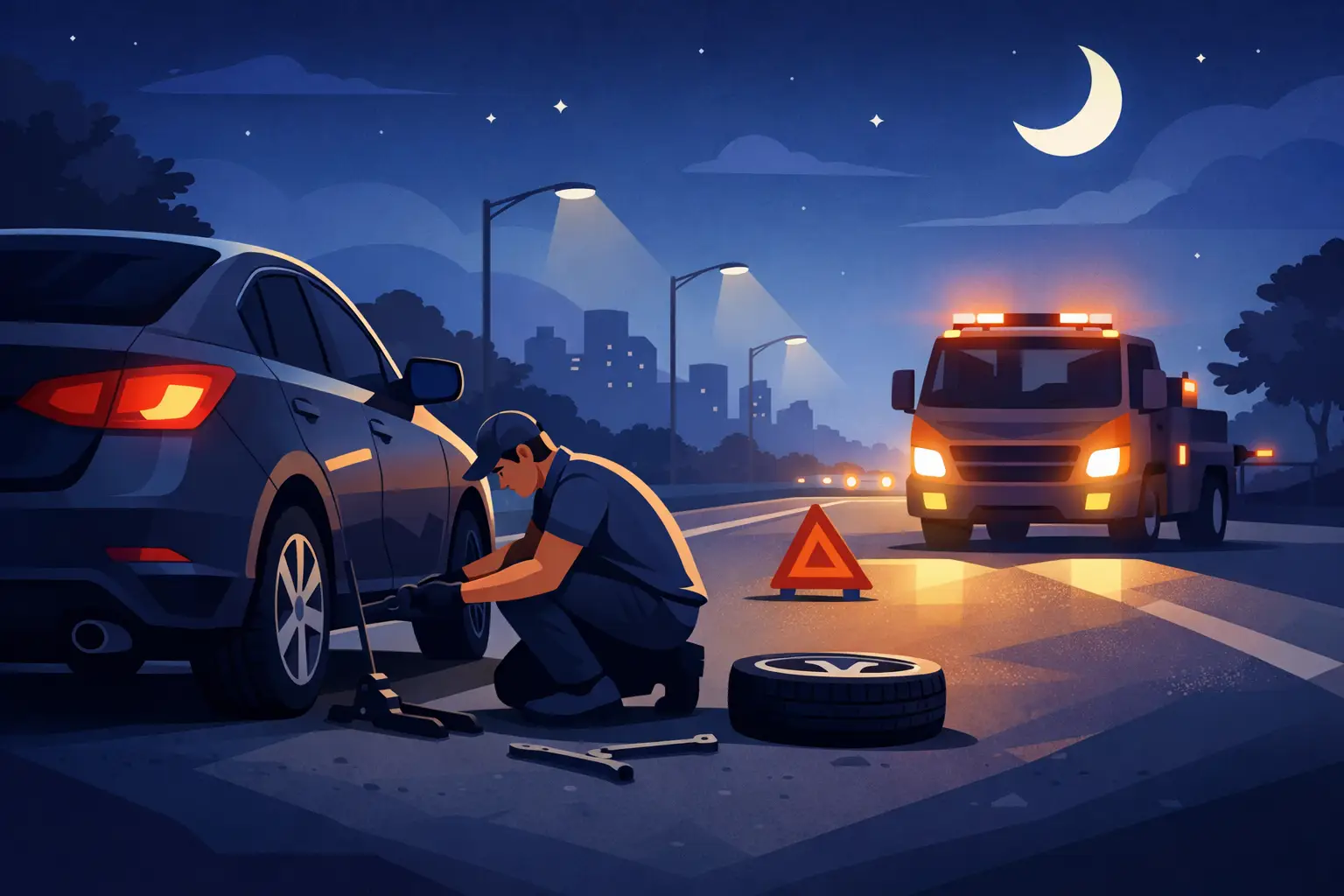
A tire does not care that it is midnight, freezing outside, or that you have an early shift tomorrow. Flat tire help at night is about more than getting a wheel changed. It is about getting yourself out of a dark, stressful situation without turning a simple flat into vehicle damage, an accident, or a long night on the shoulder.
If you are stranded anywhere in Salt Lake, West Jordan, West Valley, Taylorsville, Draper, or nearby, the first job is staying safe. The second is getting dependable help moving your vehicle again.
What to Do When You Get a Flat Tire at Night
The moment you notice a tire losing air, slow down smoothly. Do not slam on the brakes or make a sharp turn, even if the steering wheel starts pulling. Turn on your hazard lights and look for the safest place to stop – ideally a parking lot, wide shoulder, gas station, or well-lit side street.
Avoid stopping on a narrow shoulder beside fast traffic if you can safely continue at a very low speed to a better location. But there is a limit. Driving too far on a completely flat tire can destroy the tire, damage the wheel, and make a roadside tire change more expensive than it needed to be.
Once you are stopped, put the vehicle in park, engage the parking brake, and keep your hazard lights on. If you have reflective triangles or flares and can set them out without putting yourself in danger, use them. At night, visibility is everything.
Stay inside the vehicle with the doors locked if traffic is close, the area feels unsafe, or you are not completely comfortable changing a tire yourself. A flat tire is frustrating. Standing a few feet from speeding cars in the dark is a different problem entirely.
When You Should Call for Flat Tire Help at Night
Changing a tire yourself can be reasonable in a well-lit, low-traffic area when you have a usable spare, the right tools, and confidence in what you are doing. That is not every situation, and there is no prize for wrestling with a lug wrench on the side of I-15 at 1 a.m.
Call for roadside tire help when traffic is heavy, the shoulder is too narrow, the ground is unstable, or you are on a hill. The same goes for rain, snow, ice, extreme cold, poor lighting, or a tire that came apart while driving. Utah weather can turn a manageable flat into a risky job fast.
You should also call if you do not have a spare, your spare is low on air, the lug nuts will not move, or the wheel appears bent or damaged. Many newer vehicles have no spare tire at all. Some come with an inflator kit, but those kits only work for certain small punctures and will not fix a torn sidewall, blown tire, or damaged wheel.
A professional roadside technician can assess the situation, install your spare if it is safe and usable, or arrange a tow when driving is not the smart move. Munnster Towing provides 24/7 roadside assistance across the Salt Lake Valley for drivers who need practical help now, not a lecture and a four-hour wait.
Do Not Drive on a Flat Tire Unless Safety Requires It
A common mistake is trying to limp home on a flat because home is only a few miles away. Even a short trip can shred the tire and grind the rim against the pavement. What may have been a repairable puncture can quickly become a ruined tire and wheel.
If you need to move the car to get out of immediate danger, drive only as far and as slowly as necessary to reach a safer stopping point. Then stop and call for help. This is especially true if the tire is fully deflated, the vehicle is handling badly, or you hear grinding, flapping, or metal scraping the road.
Run-flat tires change the equation slightly, but not completely. Some can travel a limited distance after losing air pressure, usually at reduced speed. The exact limit depends on the tire and vehicle, so check your owner’s manual if you can. Do not assume every low-profile or newer tire is a run-flat.
What a Nighttime Roadside Tire Service Can Handle
The best solution depends on what caused the flat and what equipment your vehicle has. If your spare is properly inflated and in good condition, a roadside technician may be able to install it and get you on your way quickly. Remember that most compact spare tires are temporary. They have lower speed limits and are meant to get you to a tire shop, not carry you through your normal week.
If there is no usable spare, the tire is unsafe to change where you are parked, or the vehicle has wheel damage, towing may be the safer option. That can mean a tow to your home, a tire shop, dealership, or another secure location where you can deal with the repair during business hours.
For drivers of all-wheel-drive vehicles, electric vehicles, luxury cars, or cars with specialty wheels, proper handling matters. The wrong lifting point, improper towing method, or careless wheel service can create damage that costs far more than the original flat. Experienced roadside assistance is worth it when the situation is not straightforward.
Information That Gets Help to You Faster
When you request flat tire help at night, a few details make dispatch quicker and help the technician arrive prepared. Know your exact location if possible. A street address, cross streets, freeway direction, exit number, parking lot name, or a nearby business sign is much better than saying you are somewhere near downtown.
Tell the dispatcher the year, make, model, and color of your vehicle. Mention whether you have a spare, whether the tire is completely flat, and whether you are in a safe location. If you are on a freeway or busy road, say so right away. That information helps determine whether a tire change can be done safely or whether your vehicle should be moved.
Keep your phone charged if you can, and watch for the service vehicle from a safe place. If your battery is low, turn down the screen brightness and avoid using unnecessary apps while you wait. Small details matter when it is late and you are relying on your phone for updates.
A Few Things to Keep in Your Car Before the Next Flat
No one plans for a nighttime tire problem, but a little preparation makes it less miserable. Check your spare tire pressure when you check your regular tires. A spare that has been sitting untouched for years may be just as flat as the one on the road.
It also helps to carry a working jack, lug wrench, flashlight, reflective vest, gloves, and a portable phone charger. If your vehicle uses locking lug nuts, make sure the key is in the car. Without it, neither you nor a roadside technician can remove the wheel without additional work.
Do not forget the basics: keep roadside service contact information saved in your phone, and pay attention to your tire pressure warning light. That light is not always a sign of an immediate blowout, but it is your cue to inspect the tires before a slow leak leaves you stuck after dark.
Get Safe First, Then Get Moving
A flat tire at night can make even a familiar drive feel like a mess. You do not have to gamble with traffic, poor lighting, bad weather, or a spare tire you do not trust. Pull over safely, turn on the hazards, share your location, and get help from a local 24/7 roadside team.
The fastest way through a nighttime breakdown is usually the safest one: stay out of danger, protect your vehicle, and let the right help come to you.
continue reading
Related Posts
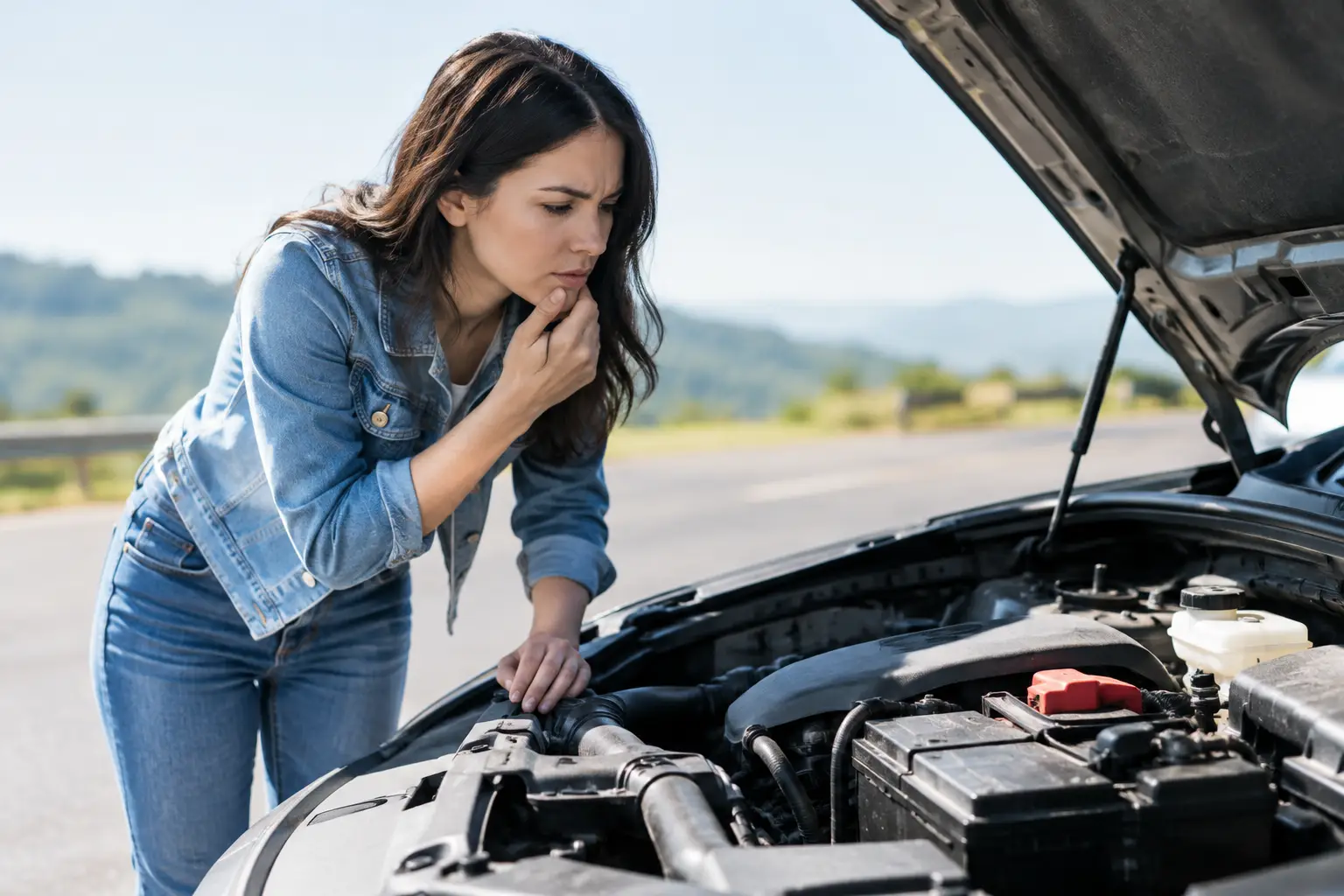
Learn how to identify battery failure before a no-start turns into a roadside problem. Spot warning signs, test safely, and know when to call for help.
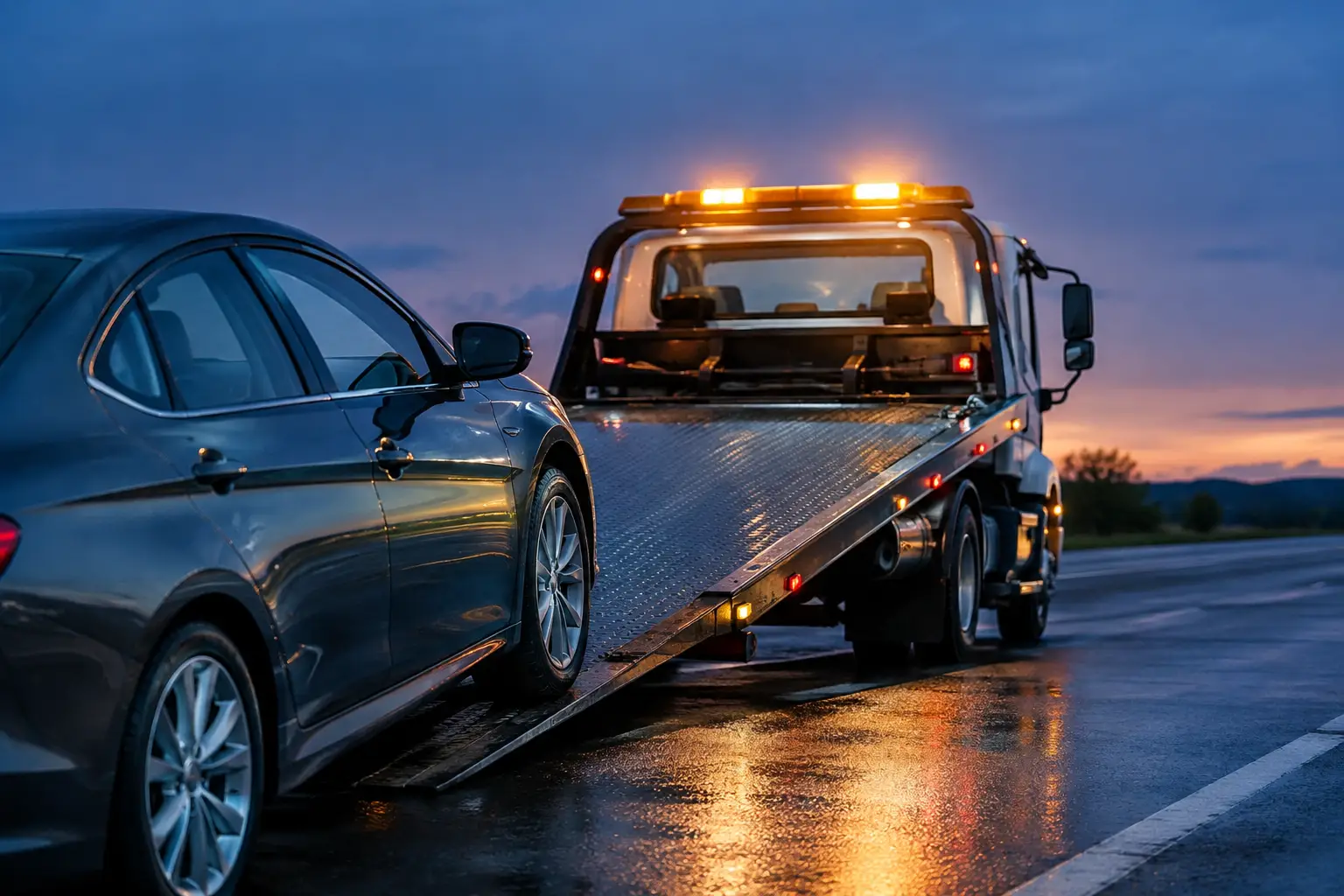
Need overnight tow truck availability in Salt Lake Valley? Get fast, affordable help for breakdowns, lockouts, dead batteries, accidents, and more tonight.
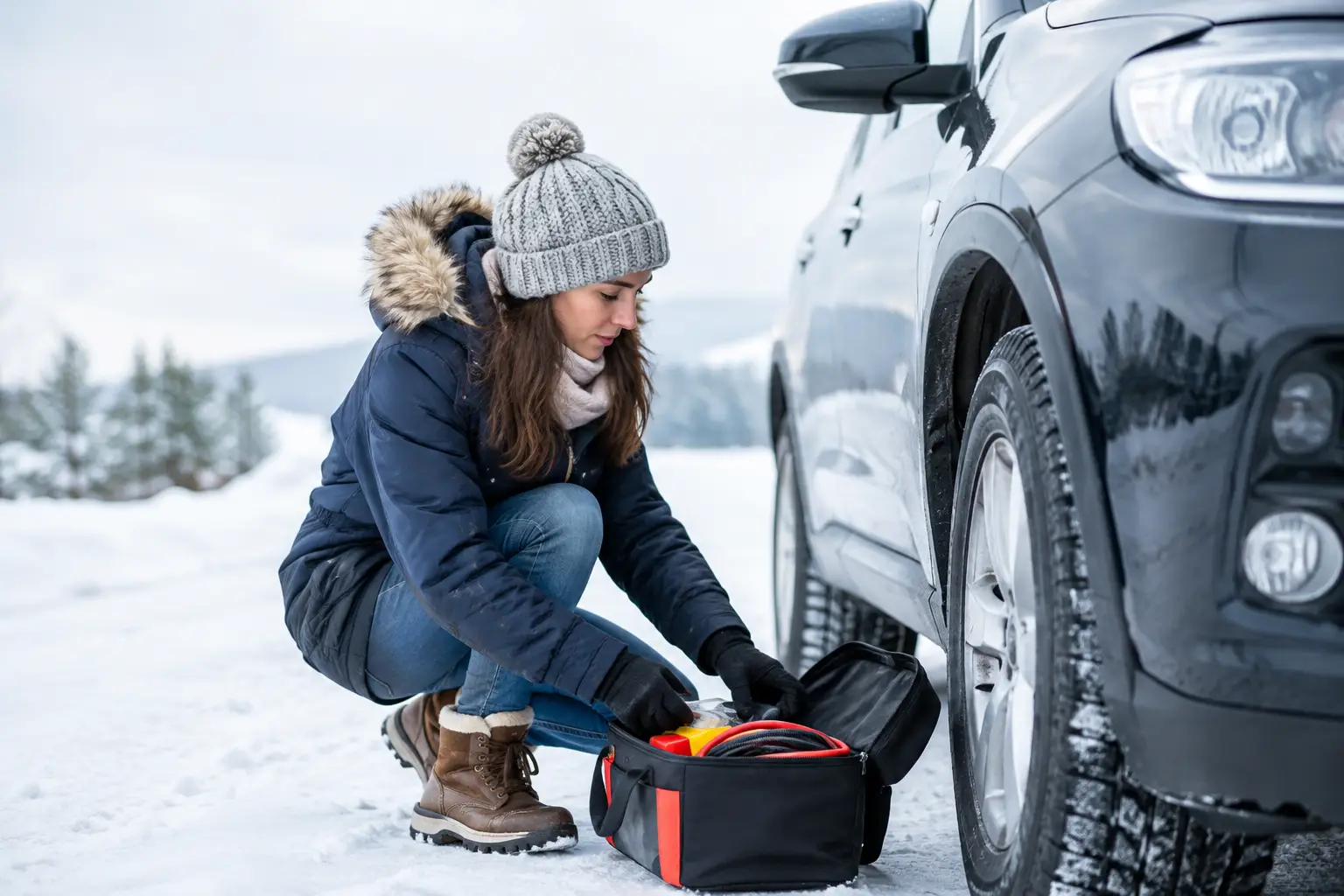
Learn how to prepare for a winter breakdown in Salt Lake Valley: check your car, pack supplies, and stay safe while roadside help is on the way all winter.