
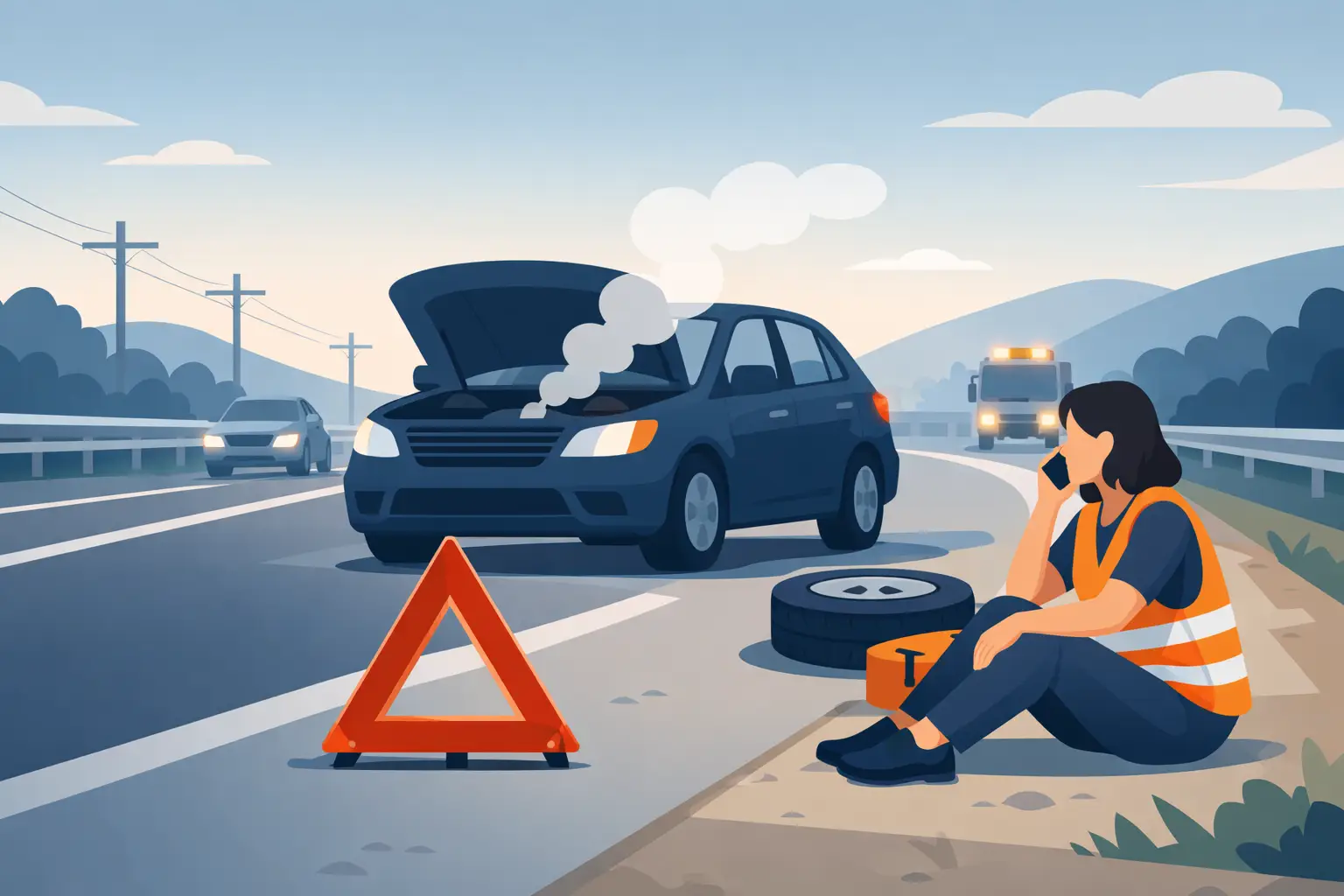
A breakdown on I-15 during rush hour is not the time to troubleshoot under pressure. Knowing how to stay safe roadside can protect you, your passengers, and the drivers moving past you at highway speed. Whether you have a flat tire in West Jordan, a dead battery in Draper, or a car that will not restart in Salt Lake City, your first job is not fixing the vehicle. It is getting out of danger.
Get Your Vehicle Out of Traffic If You Can
The safest place for a disabled vehicle is as far from moving traffic as possible. If your car still has enough power to move, turn on your hazard lights immediately and steer toward the right shoulder, an exit, a parking lot, or a side street. Avoid stopping just over a hill, around a blind curve, or in the left lane if there is any way to keep moving safely.
Do not force the vehicle farther than it can safely go. A shredded tire, overheating engine, loss of steering, smoke, or a warning light that signals severe trouble can turn a short drive into expensive damage or a dangerous crash. If moving the car risks a collision or makes the problem worse, stop where you are, turn on the hazards, and call for help.
On a busy Utah freeway, the shoulder is still an active traffic zone. Pull as far right as the space allows, keep your wheels pointed away from traffic, and leave room between your vehicle and the travel lane. If you can safely reach a parking lot or a wide frontage road instead, that is usually the better option.
Make Yourself Visible Before You Make a Plan
Hazard lights are your first line of defense. Use them as soon as you notice a serious issue, not after you have already stopped. At night, in snow, rain, or fog, visibility drops quickly. Keep your headlights on if they help other drivers see your vehicle, but avoid using high beams toward approaching traffic.
If you have reflective triangles, flares, or a safety beacon, use them only when it is safe to step outside. Place them well behind the vehicle so drivers have time to react. Never walk into traffic lanes to set up warning devices. A roadside marker is helpful, but it is never worth putting yourself in the path of a moving car.
If your hood is up, it can signal trouble to other motorists, but it also puts you outside longer. Use your hazards and call for assistance first. You do not need to prove that the car is broken before requesting a tow, jumpstart, fuel delivery, lockout service, or tire help.
Stay in the Vehicle When the Road Is Dangerous
For most breakdowns on high-speed roads, the safest choice is to stay inside your vehicle with your seat belt fastened. This is especially true on I-15, I-215, Bangerter Highway, and other roads where traffic moves fast and drivers may have little room to change lanes.
Keep the doors locked, stay on the side of the car farthest from traffic, and avoid standing between your vehicle and passing cars. Do not sit in the driver’s seat with your foot near the brake if you are worried about being hit from behind. If a collision pushes your vehicle, you want to reduce the chance of rolling into traffic.
There are exceptions. If your vehicle is smoking, on fire, leaking fuel, stopped in an active lane, or at immediate risk of being struck, get out as carefully as possible and move well away from traffic. If there is a guardrail, stand behind it. Move uphill from a crash scene when possible, and stay away from ditches or low areas if fuel is leaking.
Call for Help With a Clear Location
When you are stranded, a fast response starts with a useful location. Tell the dispatcher the road name, the direction you are traveling, the nearest exit, cross street, mile marker, or visible business. “I am near Salt Lake” is a tough location to dispatch from. “Southbound I-215 near the 3500 South exit, on the right shoulder” gets help moving much faster.
Share the basics: your vehicle make, model, color, the problem you are having, and whether you are in a safe place. If you have a flat, say whether the tire is completely blown or whether you have a usable spare. If the battery is dead, mention whether the lights come on. If you are locked out, tell the provider whether a child or pet is inside.
For an immediate threat, injury, fire, collision, or a vehicle blocking traffic, call 911 first. For a breakdown that is stable but leaves you stranded, call a local 24/7 roadside assistance provider. Munnster Towing can dispatch practical help for common problems like dead batteries, flat tires, lockouts, fuel delivery, accident recovery, and towing across the Salt Lake Valley.
Do Not Turn a Simple Breakdown Into a Roadside Repair Job
Changing a tire on a quiet, level street can be manageable. Changing one inches from freeway traffic is a different situation. Even experienced drivers can lose track of traffic, set a jack incorrectly, or discover that the spare is flat. If the shoulder is narrow, the weather is bad, it is dark, or traffic is moving quickly, calling for tire service is the smart move.
The same rule applies to jumpstarting a battery. A jumpstart can be straightforward, but incorrect cable placement can damage electrical systems or create sparks near a leaking battery. If you do not know the correct jump points, if the battery is cracked or swollen, or if the car has repeated starting trouble, wait for a trained technician.
Running out of gas also deserves caution. Walking along a freeway to find a gas station puts you at risk, especially after dark or during winter weather. Fuel delivery is usually faster, safer, and far less frustrating than carrying a gas can beside high-speed traffic.
Be Careful With Strangers Who Stop
Most people who pull over mean well, but a roadside emergency is not the time to let your guard down. Keep your doors locked and crack the window only enough to communicate. You can thank someone for stopping and let them know roadside help is on the way.
Do not accept a ride from someone you do not know unless you have no safe alternative and emergency responders direct you to do so. Never hand over your keys, wallet, or phone. If someone claims to be a tow operator, ask for identification and confirm the company before allowing them to hook up your vehicle.
Protect Passengers, Pets, and Your Phone Battery
Passengers need a simple plan. Ask everyone to stay calm, remain buckled if you are waiting inside, and keep away from the traffic-facing side of the vehicle. Children should never be allowed to wander on the shoulder, even for a few minutes. A pet can bolt after a loud truck passes, so keep pets secured until you are in a safe location.
Use your phone wisely. Send your location to a family member or friend, but save battery for emergency calls and updates from the roadside provider. Lower your screen brightness, close unnecessary apps, and keep a charging cable in the car. If you have a portable charger, this is exactly what it is for.
In cold Utah weather, do not run the engine in a blocked or enclosed area. If you are stuck in snow, make sure the exhaust pipe is clear before running the heater, and crack a window slightly. Carbon monoxide is odorless and dangerous. If conditions are severe, call for help early rather than waiting until your phone battery and body heat are both running low.
Know How to Stay Safe Roadside After a Crash
After a collision, take a breath before you step out. Check yourself and passengers for injuries, call 911 when needed, and turn on hazard lights. If the vehicle can be moved safely out of traffic and police have not instructed you otherwise, pull to a nearby safe area. If it cannot move, stay protected from traffic and wait for responders.
Take photos only when it is safe to do so. Exchange information, but do not argue about fault on the roadside. A damaged car may need careful recovery, particularly after a slide-off, rollover, or impact that affects the wheels, suspension, or steering. Trying to drive it away can create another emergency a few blocks later.
Keep a Small Roadside Kit in Your Car
You do not need a trunk full of gear, but a few basics can make a hard situation easier. Keep a charged phone cable, flashlight, reflective vest, emergency blanket, bottled water, first-aid supplies, gloves, and a compact tire gauge. Add jumper cables only if you know how to use them safely.
Before a long drive, check your fuel level, tire pressure, spare tire, and phone charge. That five-minute check matters when you are headed through winter weather, driving late after a shift, or taking the family across the valley.
A stopped car creates enough stress on its own. Keep your attention on getting visible, getting protected, and getting qualified help on the way. The repair can wait a few minutes. Your safety cannot.
continue reading
Related Posts
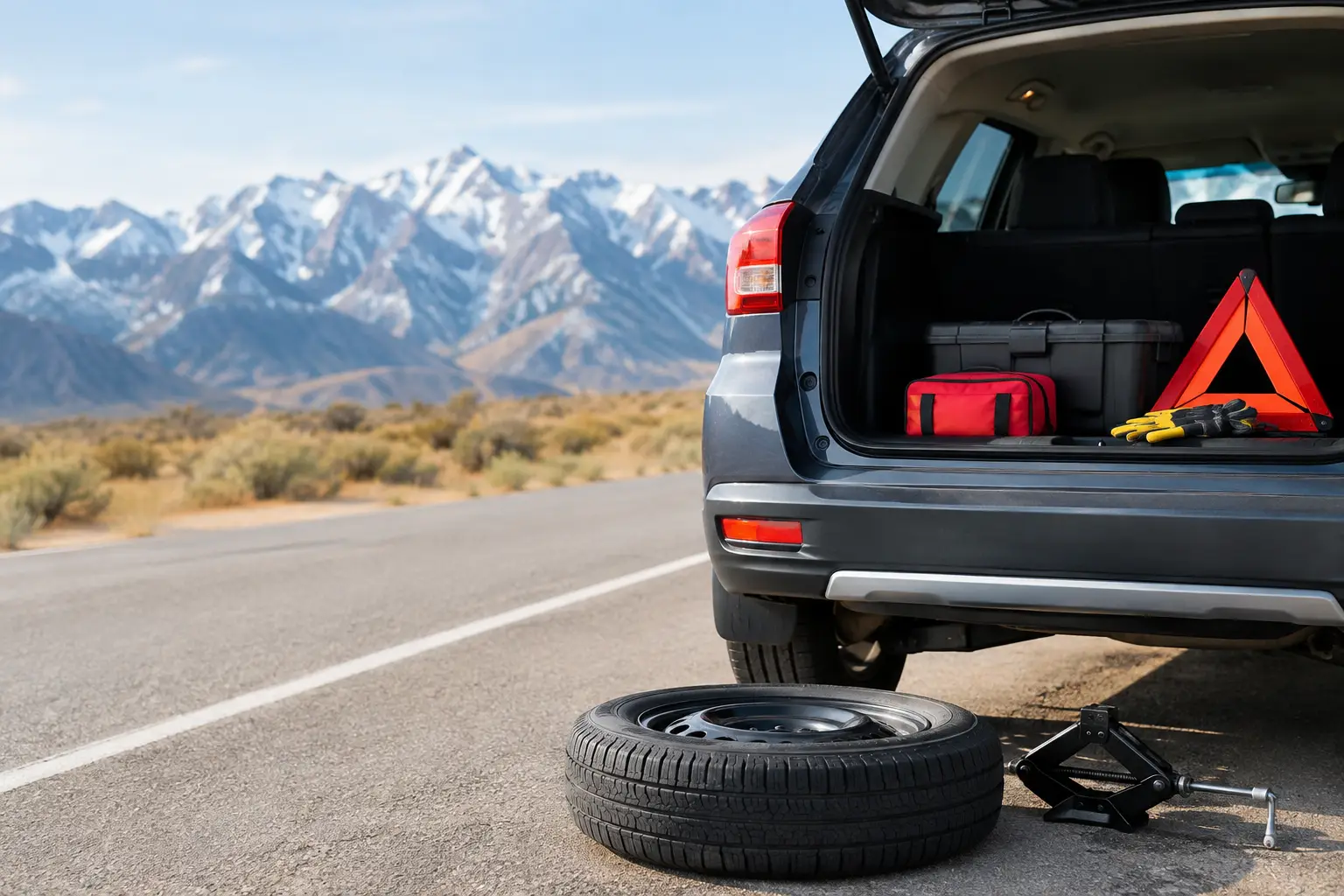
Roadside emergency essentials help Utah drivers stay safer during breakdowns, flat tires, lockouts, and winter trouble. Build a car kit that works well.
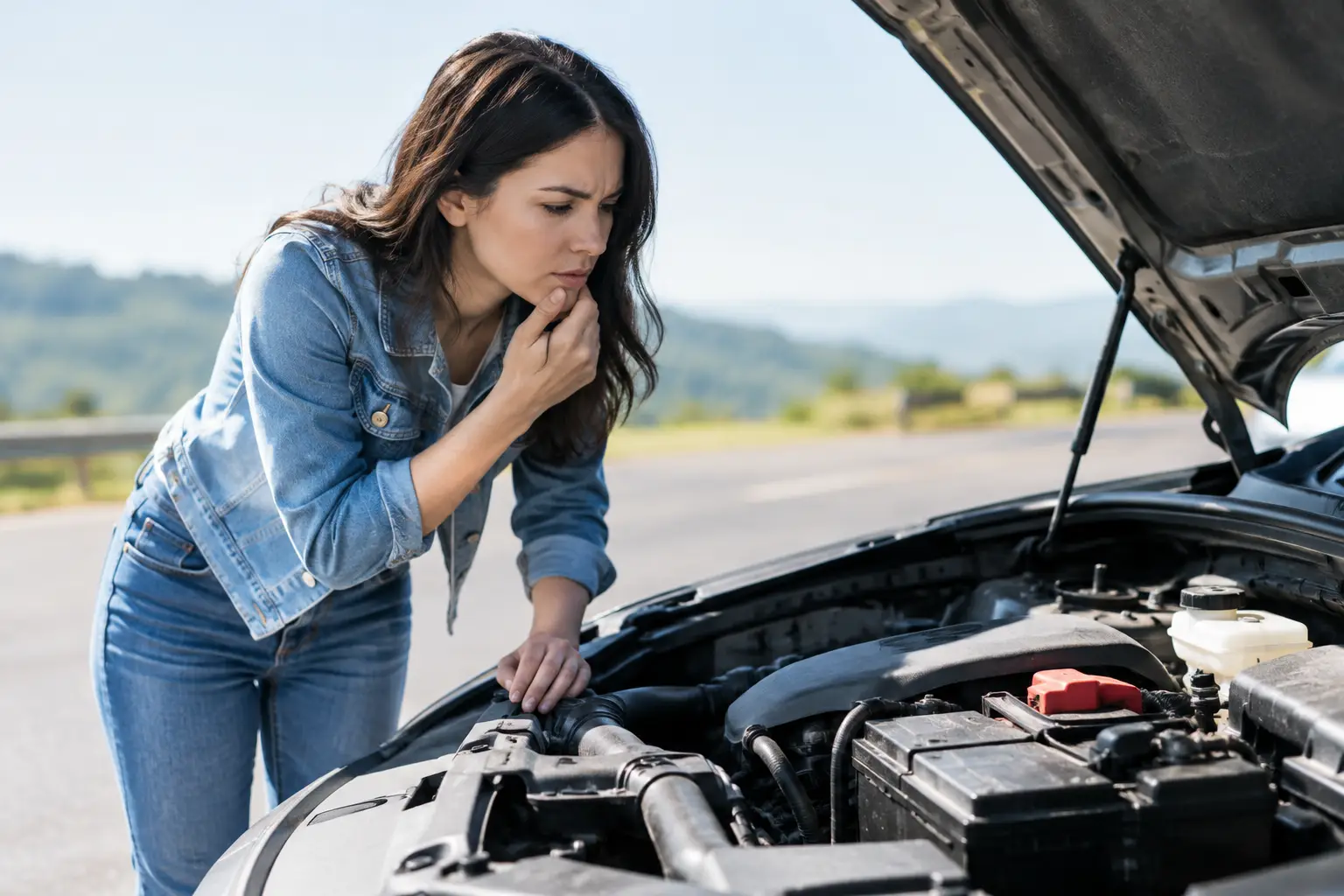
Learn how to identify battery failure before a no-start turns into a roadside problem. Spot warning signs, test safely, and know when to call for help.
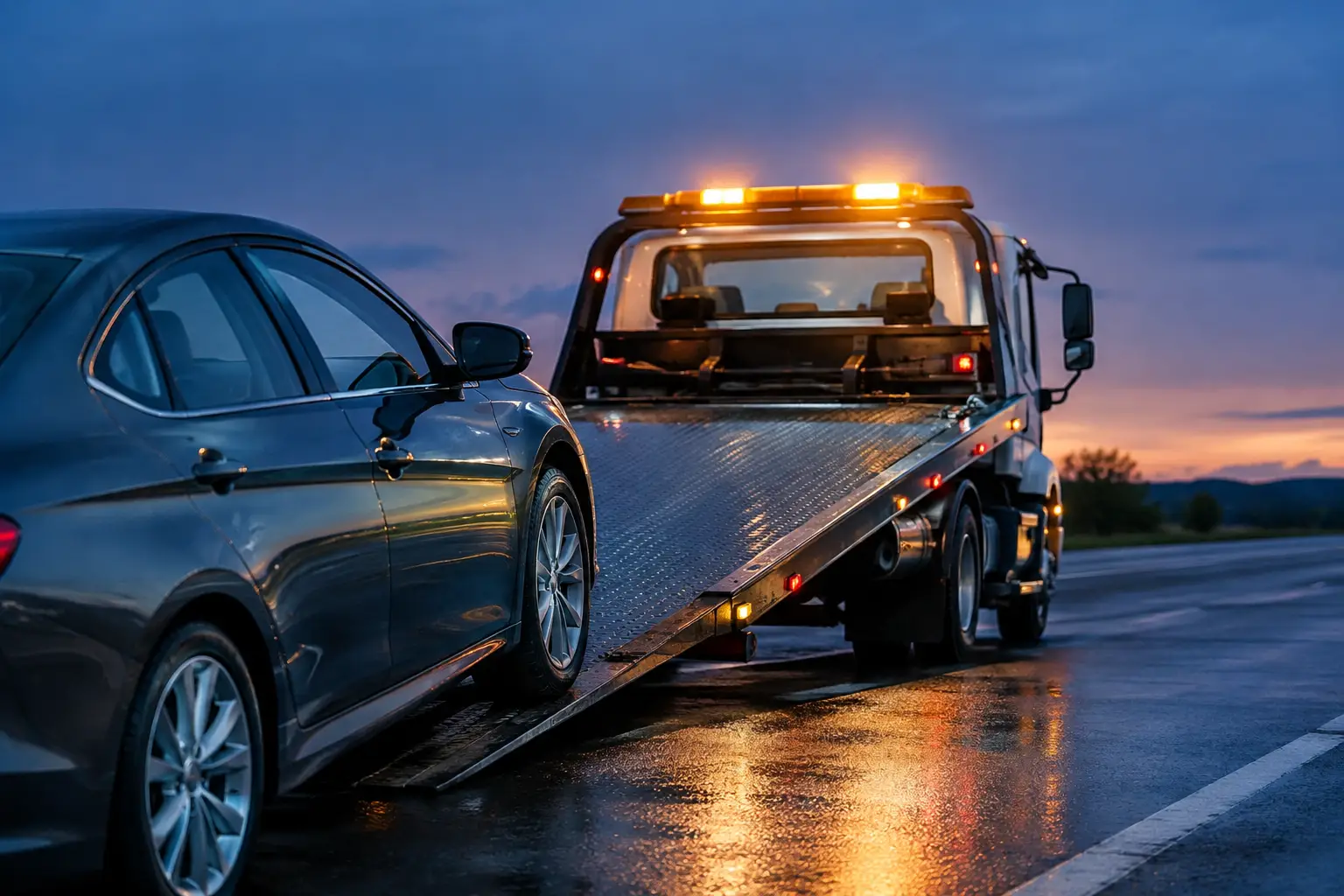
Need overnight tow truck availability in Salt Lake Valley? Get fast, affordable help for breakdowns, lockouts, dead batteries, accidents, and more tonight.