
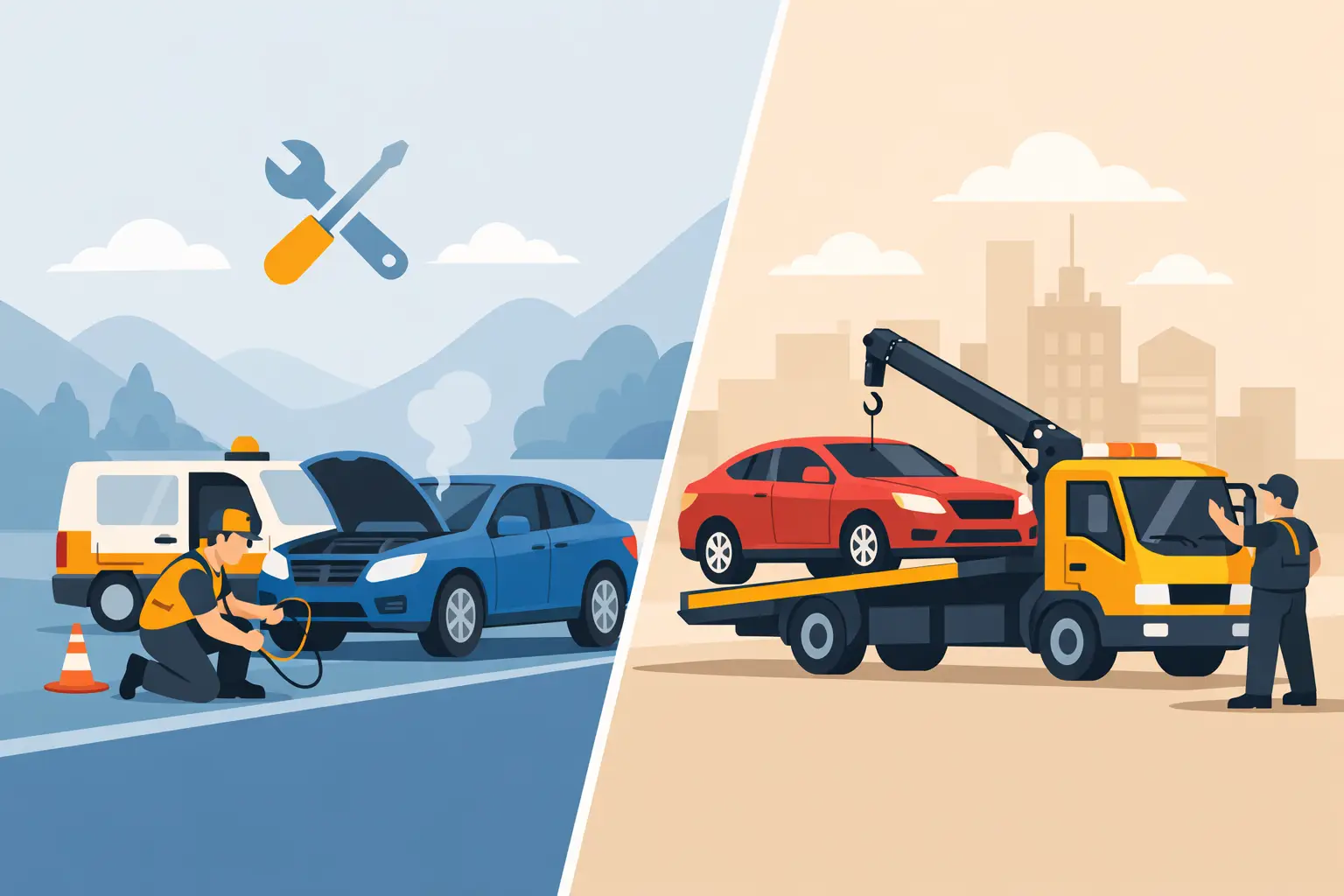
A dead battery before work, a flat on I-15, or keys locked inside at the gas station can put your whole day on hold. The tow truck vs roadside assistance question comes down to one simple thing: can the problem be safely fixed where you are, or does your vehicle need to be moved?
For drivers across the Salt Lake Valley, the right call can save time, avoid unnecessary expense, and get you back on the road faster. If you are stranded now, move to a safe location if possible, turn on your hazard lights, and call for help. You do not need to diagnose every sound under the hood before making the call.
Tow Truck vs Roadside Assistance: The Main Difference
Roadside assistance is on-the-spot help for common problems that may not require a repair shop. A technician comes to your location and attempts to get your vehicle moving again. This can include a jumpstart, flat tire help, fuel delivery, or lockout service.
A tow truck is for transporting a vehicle when it cannot be safely driven, should not be driven, or needs to go somewhere else for repairs. That may mean a nearby mechanic, your home, a dealership, a body shop, or another safe location.
The two services often work together. A roadside technician may arrive, identify a problem that cannot be fixed safely on the shoulder, and recommend a tow. That is not a wasted visit. It is the right way to avoid making a bad situation worse by trying to drive a damaged or unreliable vehicle.
When Roadside Assistance Is Usually the Better Call
Roadside assistance makes sense when the vehicle itself is generally fine and a small, immediate issue is keeping it from moving. It is often the fastest option for everyday problems that happen without warning.
Dead Battery or a No-Start Situation
If you left a light on, your battery is weak, or cold weather drained the charge, a jumpstart may get you moving again. A technician can connect the equipment correctly and help avoid the risky guesswork of asking a stranger in a parking lot for cables.
Still, a jumpstart is not always the final answer. If the vehicle starts and then dies again, the battery, alternator, cables, or another electrical component may be failing. In that case, it may be smarter to tow the vehicle rather than get stranded a second time farther from home.
Flat Tire With a Usable Spare
A flat tire does not automatically mean you need a tow. If you have a properly inflated spare, the wheel is not damaged, and the vehicle is parked in a safe enough spot, roadside tire service can get the spare installed so you can reach a tire shop.
The key phrase is “safe enough.” Changing a tire on a busy highway, narrow shoulder, steep road, or dark area is not a DIY moment. Let a professional assess the situation. If the tire damage is severe, multiple tires are flat, or your spare is missing or unsafe, towing may be the better move.
Lockouts
Locked your keys in the car while it is running? It happens to busy parents, rideshare drivers, students, and anyone juggling a long day. Lockout assistance is designed for this exact headache.
A trained technician uses the right entry methods to help protect your vehicle from unnecessary damage. Avoid forcing a coat hanger, prying at the door, or breaking a window. Those shortcuts can turn a frustrating lockout into an expensive repair.
Running Out of Fuel
Fuel delivery is one of the simplest roadside calls. If you ran farther than the gas gauge suggested or missed the last open station on a late drive, a small fuel delivery can get you to the pump.
If the vehicle still will not start after fuel arrives, the issue may be more than an empty tank. At that point, a tow can prevent more time wasted on the roadside.
When You Need a Tow Truck Instead
A tow is the right call when driving creates a safety risk or could cause more damage. It is also the practical answer when roadside service cannot restore basic, reliable operation.
Call for a tow if your vehicle has been in an accident, even if it seems drivable. Damage to the steering, suspension, wheels, cooling system, lights, or frame may not be obvious from the driver’s seat. If fluids are leaking, a tire is pushed out of position, the steering wheel feels wrong, or warning lights are flashing, leave the vehicle parked and arrange transport.
Mechanical failure is another clear reason to tow. Overheating, smoke, burning smells, grinding noises, transmission trouble, a broken belt, or engine problems are not issues to gamble with on the drive home. Pull over safely, shut the vehicle down when appropriate, and call for help.
A tow truck is also needed when the vehicle is stuck off-road, in snow, in mud, in a ditch, or otherwise unable to get back onto a safe driving surface. Recovery work requires the right equipment, careful positioning, and experienced handling. Pulling a stuck vehicle with another car, a random strap, or an improvised connection can damage both vehicles or injure someone nearby.
What About a Car That Starts but Does Not Feel Safe?
This is where drivers often make the wrong call. A vehicle that starts is not necessarily a vehicle that should be driven.
Maybe your check engine light came on, but the car is running normally. You may be able to drive carefully to a repair shop. But if the check engine light is flashing, the engine is shaking, power is dropping, or you smell fuel, stop driving. A flashing warning light can signal a serious problem that gets much more expensive the longer you keep moving.
The same goes for overheating. If the temperature gauge climbs into the danger zone or steam is coming from under the hood, pull over. Do not open a hot radiator cap. Let the engine cool and arrange a tow. A short drive while overheating can create major engine damage.
When you call, explain what you see, smell, hear, and feel. Mention whether the vehicle starts, whether it is in a safe parking lot or on a highway shoulder, and whether there was an accident. Clear details help dispatch send the right service from the start.
How Cost Fits Into the Decision
Roadside assistance is often less expensive than a tow because the goal is to solve a simple problem at your location. A jumpstart, lockout, fuel delivery, or spare tire installation may be all you need to continue your day.
But choosing roadside help only because it sounds cheaper can backfire when the car clearly is not safe to drive. Paying for a tow is usually better than paying for additional damage, another service call, or a more serious roadside incident.
Distance, vehicle type, location, recovery difficulty, time of day, and the work required all affect the final cost. The best local towing companies explain the service needed clearly so you are not left guessing what happens next. If you are unsure, ask what service is being dispatched and describe the situation honestly.
What to Do While You Wait for Help
Your safety matters more than getting the car moving quickly. If you can safely pull into a parking lot or off the travel lane, do it. Turn on hazard lights and keep a safe distance from traffic. At night, stay visible and be extra careful around fast-moving vehicles.
If your vehicle is on a dangerous highway shoulder, do not stand between the car and traffic. If you can safely exit and move away from the roadway, do so. Keep children and passengers away from traffic as well.
Have your location ready. A nearby cross street, business name, freeway direction, exit number, vehicle color, make, and model can help a driver find you faster. If you are in a parking garage, apartment complex, or off-road area, give the clearest details you can about access and your exact position.
Get the Right Help Without the Guesswork
You do not have to choose between roadside assistance and towing on your own. Tell the dispatcher what happened, and let the pros match the response to the problem. Munnster Towing provides 24/7 help for drivers who need a fast tow, jumpstart, lockout service, tire help, fuel delivery, or careful vehicle recovery across the Salt Lake Valley.
A flat tire may only need a spare installed. A dead battery may only need a jump. But when your vehicle is damaged, overheating, stuck, or unsafe to drive, getting it to the right place is the smart move. Make the call early, stay safe while you wait, and give yourself the best chance of getting the rest of your day back on track.
continue reading
Related Posts
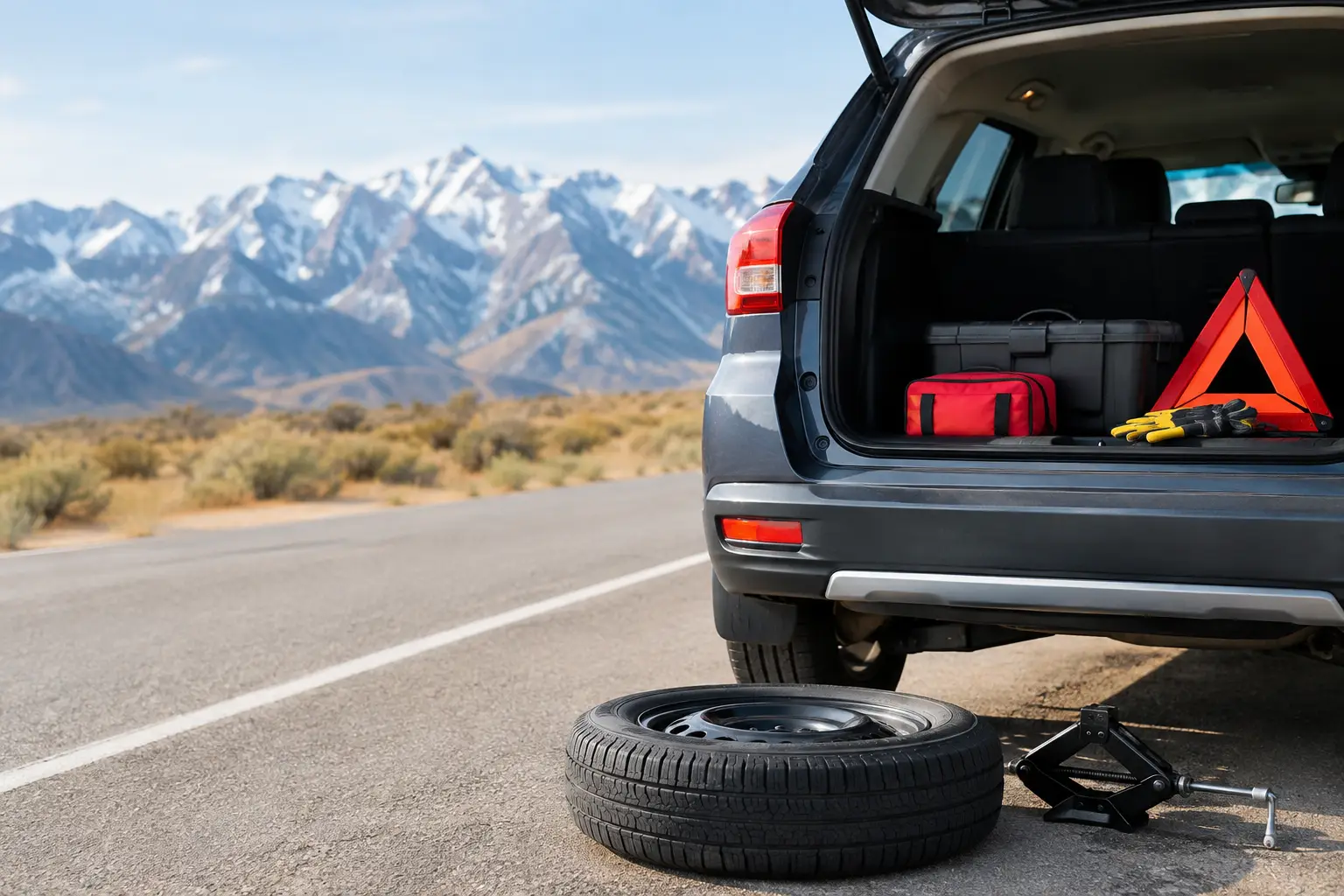
Roadside emergency essentials help Utah drivers stay safer during breakdowns, flat tires, lockouts, and winter trouble. Build a car kit that works well.
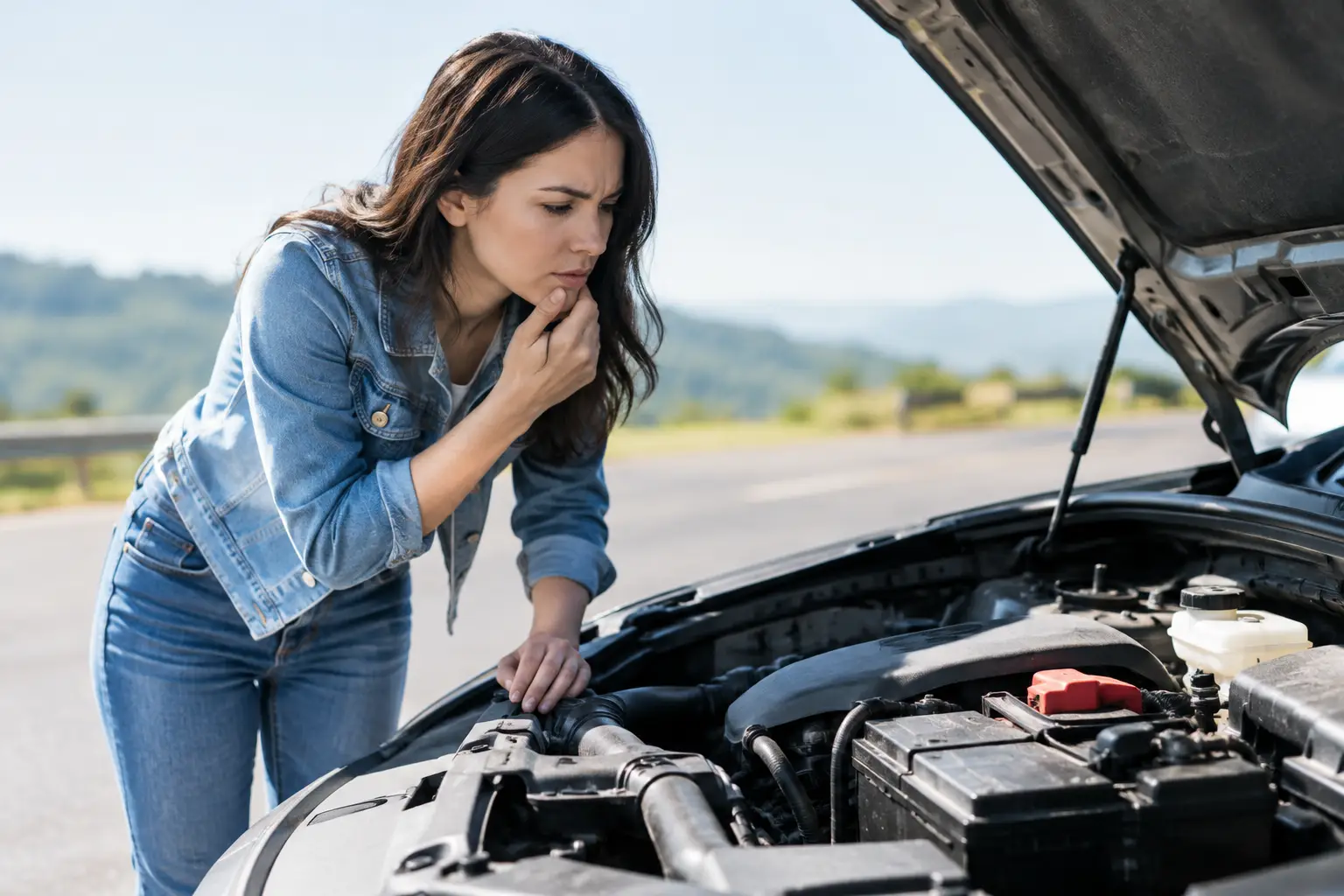
Learn how to identify battery failure before a no-start turns into a roadside problem. Spot warning signs, test safely, and know when to call for help.
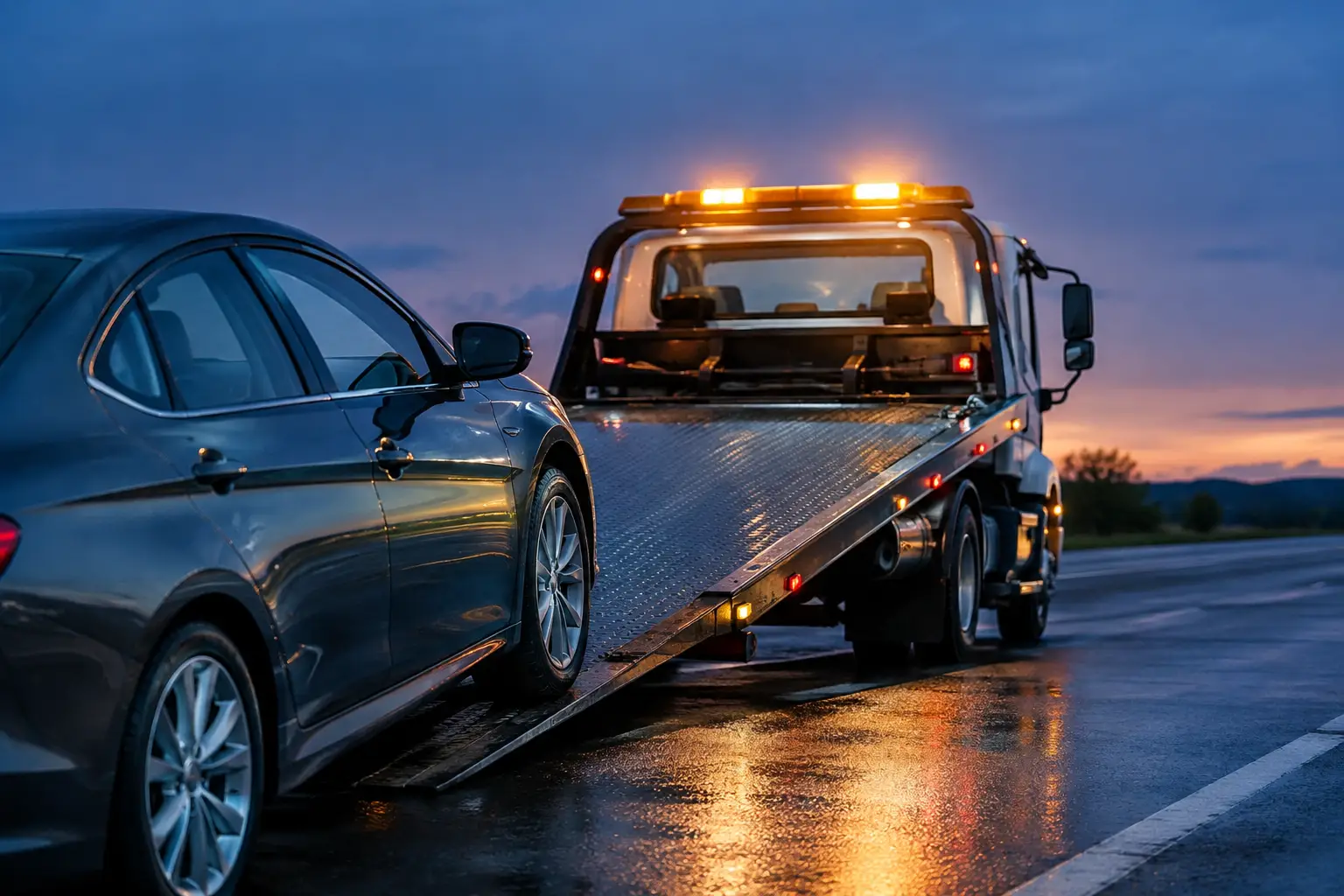
Need overnight tow truck availability in Salt Lake Valley? Get fast, affordable help for breakdowns, lockouts, dead batteries, accidents, and more tonight.