
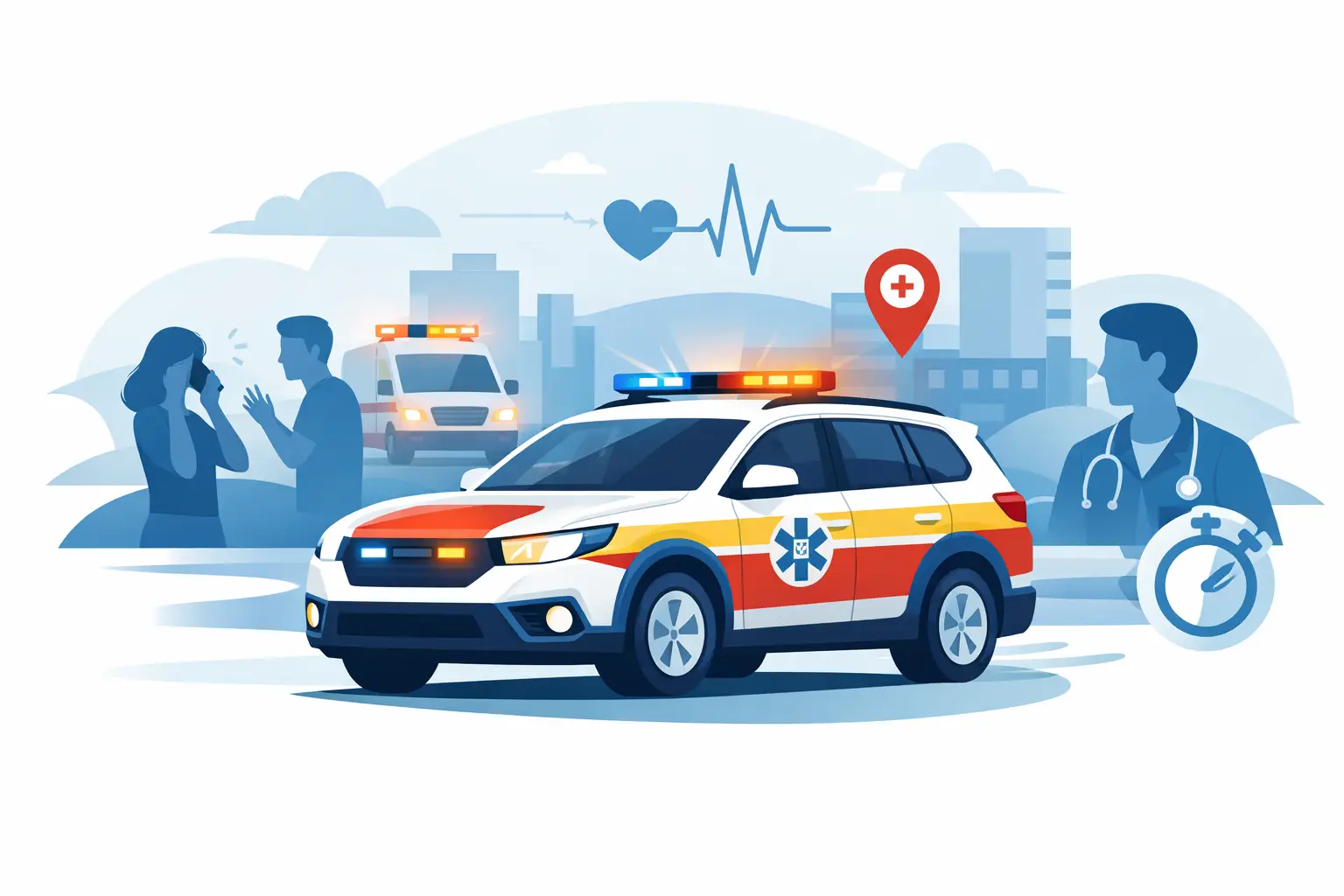
A dead battery in a West Jordan parking lot or a flat tire on the way home from Salt Lake City can turn a normal day into a long wait. So, what is a rapid response vehicle? It is a roadside service unit dispatched to reach stranded drivers quickly, assess the problem, and handle common emergencies right where the vehicle sits.
Unlike a full-size tow truck, a rapid response vehicle is often set up for fast, on-scene assistance. It carries the practical equipment needed for issues that may not require towing: jumpstarts, tire changes, lockouts, fuel delivery, and basic roadside support. The goal is simple: get you moving again without making a stressful situation more complicated or expensive than it needs to be.
What Is a Rapid Response Vehicle Used For?
A rapid response vehicle is built around speed and flexibility. When dispatch receives a call, the closest qualified roadside technician can be sent with the tools needed for the job instead of automatically sending a heavy tow truck. That can make a real difference when you are blocking traffic, stuck in a dark parking lot, late for work, or trying to get home to your family.
These vehicles are commonly used for everyday roadside emergencies. If your battery is dead, a technician can test the situation and provide a jumpstart. If you have a flat, they can install your usable spare or help determine whether a tow is the safer option. Locked your keys in the car? A trained technician can use proper tools to regain access while working carefully to avoid damage.
Fuel delivery is another common call. Running out of gas is frustrating, but it does not always mean you need a tow. A rapid response vehicle can bring enough fuel to get you safely to the nearest gas station. For drivers in the Salt Lake Valley, where a commute can take you across several cities in a hurry, that fast fix can save the day.
Rapid Response Vehicle vs. Tow Truck
A rapid response vehicle and a tow truck both exist to help stranded drivers, but they are not always used for the same type of call. A tow truck is the right equipment when a vehicle cannot be driven safely, has been damaged in a collision, needs to be moved from an unsafe location, or is stuck off-road. It is also necessary when a mechanical problem cannot be fixed at the roadside.
A rapid response unit is usually the better first move when the issue is straightforward and your vehicle may be drivable once the problem is solved. Think dead battery, locked doors, an empty fuel tank, or a tire that can be changed with the spare in your trunk. Sending the right vehicle for the problem helps keep response times fast and avoids paying for more service than you need.
That said, roadside situations can change quickly. A technician may arrive for a jumpstart and find that the battery is failing, the alternator is not charging, or the vehicle has another issue that makes driving risky. In that case, a tow is not an upsell – it is the safer call. A dependable roadside company should explain what they found, tell you what options make sense, and help you move forward without the runaround.
What Equipment Does a Rapid Response Vehicle Carry?
The exact setup depends on the company, the service area, and the technician’s role. Still, most rapid response vehicles carry equipment designed to solve the problems drivers face most often. That can include professional jump packs, battery testing equipment, lockout tools, air compressors, tire-changing tools, fuel containers, lighting, traffic safety gear, and basic recovery equipment.
The tools matter, but experience matters just as much. Modern cars have sensitive electronics, side-curtain airbags, advanced locking systems, low-profile tires, and sometimes no usable spare at all. A quick response should never mean careless work. The technician needs to know when a roadside repair is appropriate, when to protect the vehicle from further damage, and when a tow truck should take over.
This is especially true after an accident or when a vehicle has left the road. A rapid response vehicle may be able to secure the scene, provide initial assistance, or determine what recovery equipment is needed. But a vehicle in a ditch, snowbank, embankment, or collision scene often requires a properly equipped tow truck and a careful recovery plan.
When Should You Request Rapid Roadside Help?
Call for a rapid response vehicle when you believe the issue can be handled where you are and you need help now. You do not need to diagnose your car like a mechanic before calling. Just explain what happened, where you are, the make and model of your vehicle, and whether you are in a safe location.
Rapid roadside assistance is often the right choice if your engine will not start, you left lights on and drained the battery, you locked the keys inside, you have a flat with a good spare, or your fuel gauge hit empty. It can also help when a tire is low on air, although a technician may recommend a tow if the tire is damaged or will not hold air.
Call for a tow or recovery service right away if your vehicle has been in a crash, is leaking fluids, has severe wheel or suspension damage, overheated badly, will not shift correctly, or is stranded in an unsafe place. Do not try to drive a damaged vehicle just to avoid a tow. A short drive can turn a manageable repair into a much bigger bill.
What to Do While You Wait
Your first priority is your safety, not the vehicle. If you can move the car safely out of traffic, do so. Turn on your hazard lights, watch for passing vehicles, and avoid standing near the travel lane. On busy roads, do not attempt a tire change or inspect the engine unless you are well away from traffic and can do it safely.
When you call, give the dispatcher a clear location. A street address is great, but nearby cross streets, a business name, a freeway direction, exit number, vehicle color, and license plate details can all help the driver find you faster. If you are in a parking garage or apartment complex, mention the level, gate code, or any access issue before help is on the way.
If you are locked out, keep your phone charged and stay in a safe, visible area. If a child, pet, or vulnerable person is locked inside a vehicle, tell dispatch immediately and call emergency services when there is an immediate safety risk. That is not a normal lockout call, and every minute counts.
Fast Service Still Depends on the Situation
A rapid response vehicle is designed to reduce waiting, but no honest company can promise that every call will take the same amount of time. Weather, rush-hour traffic, road construction, major accidents, and the number of active emergency calls can affect arrival times across Salt Lake City, West Valley, Taylorsville, Draper, and nearby areas.
The best service providers communicate clearly. They ask the right questions before dispatching, send equipment that matches the situation, and update you if conditions change. Fast help is valuable, but the right help is what gets you safely back on the road.
Munnster Towing provides 24/7 roadside assistance for drivers who need a jumpstart, lockout help, a tire change, fuel delivery, towing, or vehicle recovery in the Salt Lake Valley. When you are stranded, call with your location and vehicle details so the right response vehicle or tow truck can be dispatched without wasting time.
A roadside problem rarely waits for a convenient moment. Keep your phone handy, move to a safe spot when possible, and get help early rather than hoping a warning light, weak battery, or damaged tire will somehow fix itself.
continue reading
Related Posts
Read flatbed tow service reviews the smart way. Learn what fast response, clear pricing, careful handling, and local reliability really look on the road.
Roadside emergency essentials help Utah drivers stay safer during breakdowns, flat tires, lockouts, and winter trouble. Build a car kit that works well.
Learn how to identify battery failure before a no-start turns into a roadside problem. Spot warning signs, test safely, and know when to call for help.